


Common Dishwasher Problems and How to Avoid Them

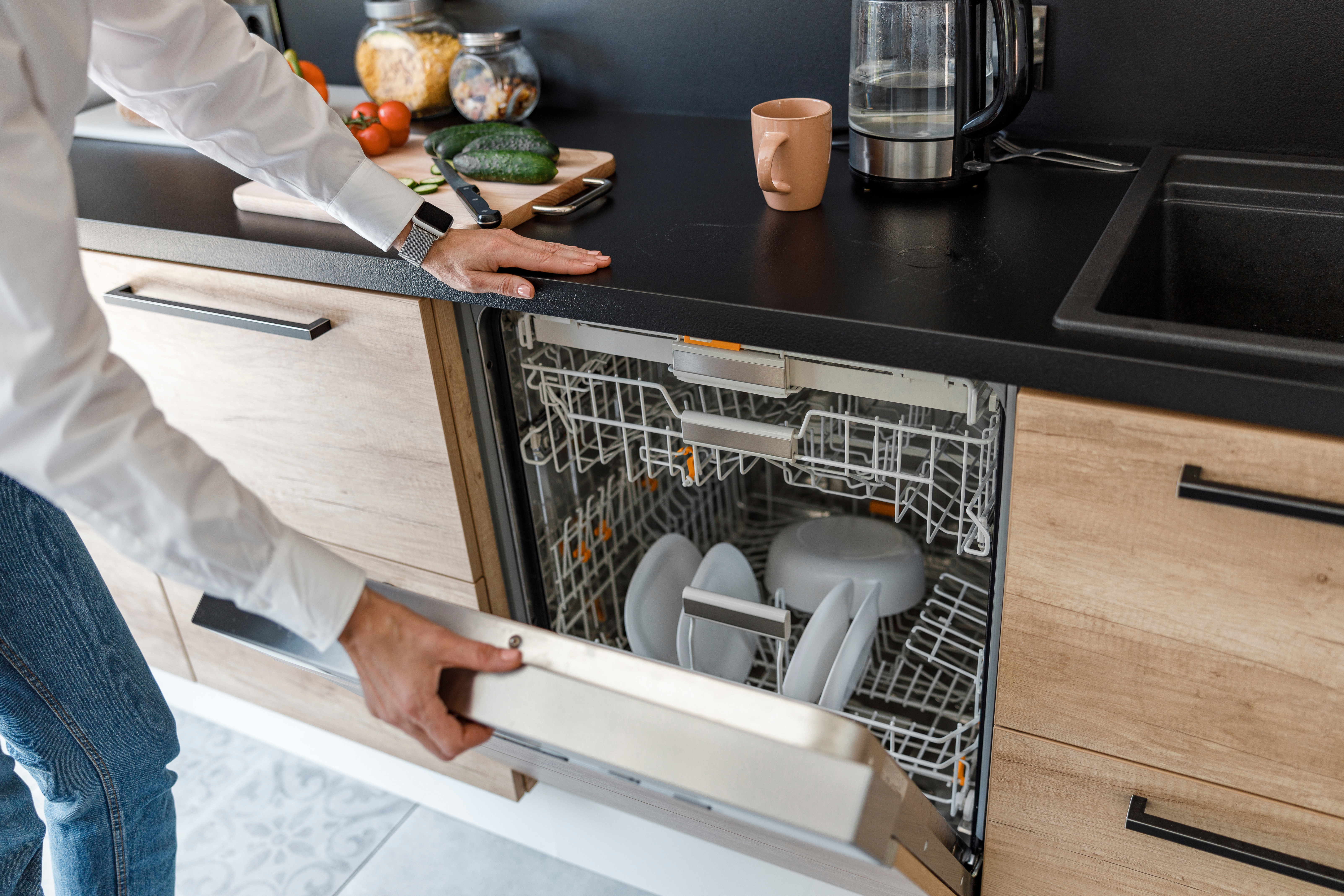
A modern solution that's quickly become a must-have in kitchens across the country is the dishwasher. It's turned a mundane, time-consuming task into something quick and efficient. However, there are some steps to take to ensure your dishwasher continues to run without interruption.
Noticing Poor Cleaning Results?
Opening your dishwasher to find the plates still dirty is a clear sign that something is not functioning properly. This is often caused by restricted water flow rather than a fault with the machine itself. Overloading the racks, blocking spray arms, or incorrect detergent use can all reduce cleaning performance.
Dishwashers rely on water circulating freely around each item, so giving dishes enough space and keeping internal components clean makes a noticeable difference. This applies across all models, from compact slimline dishwasher units to larger systems.
Do You Notice Unpleasant Odours?
If your dishwasher develops a lingering smell, it’s usually due to trapped food particles or grease build-up. Over time, residue and food particles can accumulate in filters, seals, and hard-to-reach areas. Mould or bacterial growth, and a clogged drain, can also cause unwanted smells.
Regular cleaning helps prevent this. Running a hot cycle periodically and keeping the filter clean will keep your integrated dishwasher or freestanding dishwasher smelling fresh and working efficiently. A clean machine not only smells better but also performs better.
Is There a Drainage Problem?
If you've noticed water sitting at the bottom of your dishwasher, it is a clear sign that something isn’t draining properly. In most cases, this comes down to a blocked filter or an issue with the drain hose. Food debris can easily build up over time, slowing or stopping water from flowing out.
Keeping the filter clean and ensuring the hose is free of obstructions, such as food waste, will usually prevent this issue. This is a problem you should address early to avoid lasting damage to your dishwasher.
See if You Can Spot Limescale Build-Up
In areas with hard water, limescale can gradually build up inside your dishwasher. This reduces efficiency and can impact how well your dishes are cleaned.
Using the appropriate dishwasher salt and running occasional maintenance cycles can help keep limescale under control. This is especially important for an integrated dishwasher, where internal issues are less visible and can go unnoticed for longer.
Taking Care of Your Dishwasher
Dishwashers, like all appliances, need consistent care. Problems can develop slowly over time, so regular maintenance can help extend your dishwasher's lifespan and keep it performing well.
● Clean your filter once a month, though you may need to do it more or less depending on how much you use it.
● Avoid overloading your dishwasher; it might be tempting, but it's better to run two washes or wash a few leftover dishes by hand.
● Check for any signs of wear and tear or malfunctioning.
A Little Maintenance Goes a Long Way
Whether you rely on a space-saving slimline dishwasher or a larger dishwasher freestanding model, looking after your machine ensures it continues to deliver the results you expect.
Although dishwashers are designed to make life easier, like any appliance, they work best when properly maintained. By staying on top of simple care routines, you can avoid common problems and expensive repairs.
Browse popular dishwashers here.
April 23, 2026
|
View: 144
|
By: <a class="mp-info" href="https://walworthappliances.co.uk/blog/author/walworth-appliances.html">Walworth Appliances</a>
About the Author

Related Posts
5 Key Tips to Save Energy in Your Business
November 24, 2025| Walworth Appliances| 9855

Outline: Energy Ratings Explained – What A+++ Really Means for Your Bills
December 3, 2025| Walworth Appliances| 535



Washing Machine FAQs: Answers to the Most Common Questions
June 8, 2026| Walworth Appliances| 196

Chest Freezers Vs Upright Freezers Vs Under Counter Freezers
November 24, 2025

The Correct Way to Stock Your Fridge
November 24, 2025

How To: Keep Ants Out Of Your Kitchen This Summer
November 24, 2025

Our Top Tips To Make Your Appliances Last Longer
November 24, 2025

Buying a Tumble Dryer
November 24, 2025





Common Dishwasher Problems and How to Avoid Them
April 23, 2026
